A Pinball Game That Makes You Mad (Demo) Review
“Who Knew Pinball Could Be Anger Inducing”
Introduction
I didn’t grow up playing much pinball. Sure, if I saw a machine at a pizza place or arcade, I’d give it a shot—but it was never one of my favorite games. I’ve played Zen Pinball and M Pinball (the monster-themed one), but those are what I boot up when I want to relax, not rage. Then along came something unexpected—a demo of a pinball game inspired by Getting Over It with Bennett Foddy. I scratched my head immediately. Did I ever need a pinball game designed to make me angry? Probably not. But here I am with A Pinball Game That Makes You Mad from developer Azimuth Studios. Should anyone play a game that proudly advertises frustration? Let’s find out in my demo review of A Pinball Game That Makes You Mad.
Gameplay
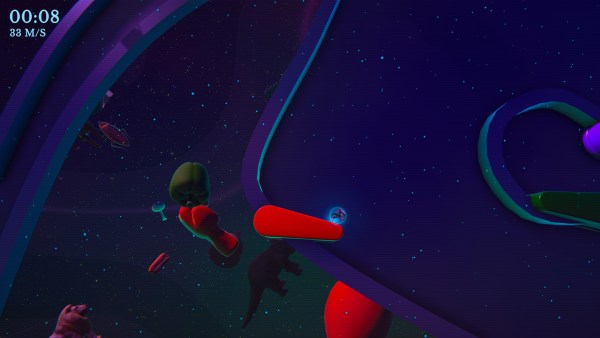
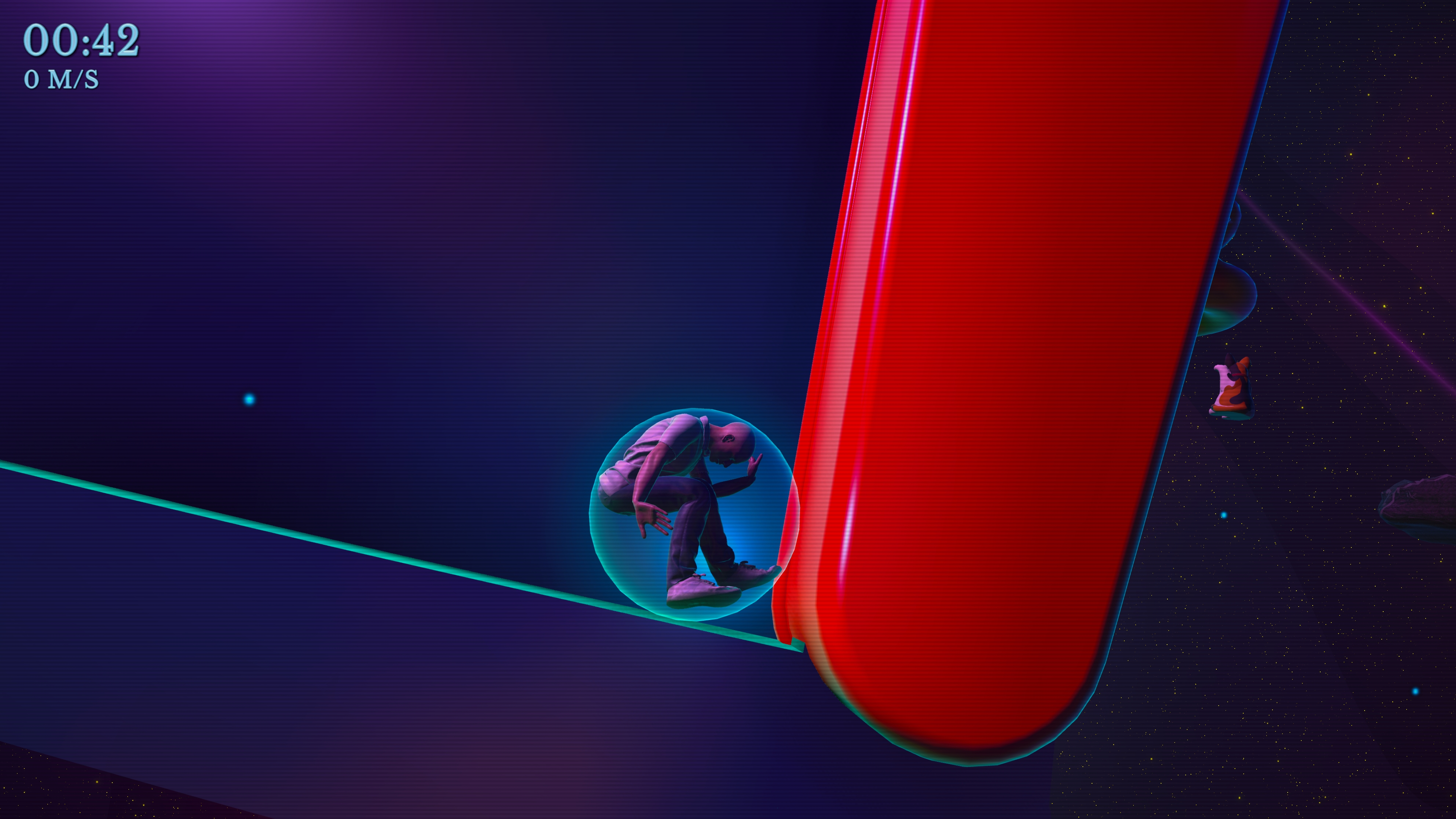
This won’t take long to explain. If you’ve ever played pinball, you already have a general idea of how A Pinball Game That Makes You Mad works—except this time, there’s a literal person inside the ball. Don’t ask why; just accept the weirdness and roll with it. Your goal is simple: get the “ball man” to the end of the level using spread-out paddles, bumpers, and classic pinball mechanics. Sounds easy, right? Think again.
The game lives up to its name by being intentionally frustrating. One bad hit, and you can lose all your progress, tumbling back to the starting point. There are checkpoints available—if you dare to use them—but the game mocks you for doing so. There’s also a “rage quit” button in the pause menu for those who hit their breaking point.
Aside from the standard gameplay, A Pinball Game That Makes You Mad throws in a few random extras just to keep things weird. There’s a “jumpscare button” that triggers a man yelling at you or quoting The Big Bang Theory, and a “lemon button” where someone simply says “lemon.” It’s chaotic, ridiculous, and somehow adds to the charm. While the concept may sound absurd, the physics-based puzzle design actually works, making it an oddly satisfying challenge for players who thrive on precision and punishment.
Graphics
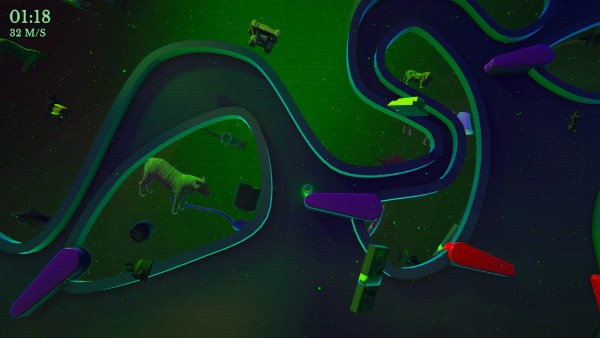
A Pinball Game That Makes You Mad isn’t here to win any awards for graphical fidelity, but it nails its bizarre aesthetic. The demo takes place in a strange space-like backdrop filled with floating milk cartons and other surreal objects. The simplicity works, emphasizing the weirdness of the game’s concept. Each section feels like a fever dream, which honestly fits perfectly with the chaotic energy the game exudes. It’s visually simple but distinct enough to stand out from typical indie puzzle games.
Sound
The highlight here is undoubtedly the narrator. Much like Bennett Foddy’s infamous commentary in Getting Over It, the voice-over in A Pinball Game That Makes You Mad is intentionally annoying—but in a funny way. He taunts you, mocks your mistakes, and offers “advice” that’s more irritating than helpful. The calm, almost sleepy background music contrasts perfectly with the rising frustration the gameplay induces, making it all the more hilarious (and painful) to endure. The sound design complements the game’s sarcastic tone perfectly.
Overall Impression
On one hand, I can see myself booting up A Pinball Game That Makes You Mad whenever I want to test my patience or challenge my problem-solving skills. On the other hand, this is clearly a game meant for a specific audience—players who enjoy punishing, physics-based challenges. It’s the kind of game that streamers will love to scream at, and masochistic gamers (like myself) will play “just one more round” even after falling all the way back down. It’s simple, stressful, and strangely fun.
Pros
- Creative blend of physics-based puzzles with pinball mechanics
- Funny, self-aware narrator that enhances the frustration in a good way
- Easy one-button control with plenty of silly extras for laughs
Cons
- Highly stressful and punishing for casual players
- Very niche appeal—definitely not for everyone
Overall Score
7.5
Conclusion

I might sound harsh, but A Pinball Game That Makes You Mad isn’t meant for everyone—nor does it try to be. It’s a chaotic, challenging, and intentionally aggravating experience made for streamers, challenge seekers, and fans of games like Getting Over It. The demo shows promise, with solid mechanics, silly humor, and plenty of personality. Whether it’s a stress test or a fun side distraction, Azimuth Studios has created something memorable. I’ll hold my full judgment for the complete release, but if the final version builds on this foundation, it could be a cult hit among physics-based puzzle fans.
—Aaron