Dispatch (Episode 1–2) Review

“Size Doesn’t Matter for a Hero”
Introduction
Years ago, one of my favorite developers was Telltale Games. 2012’s The Walking Dead, an interactive take on the popular TV series and graphic novel, was an episodic masterpiece that blurred the line between animation and gaming. Telltale would go on to create several titles I adored—The Wolf Among Us, Tales from the Borderlands, and even a Guardians of the Galaxy game. But as time passed, fatigue set in—for me and many others—and the genre’s spark began to fade.
Fast forward to today, and a new title has reignited that flame: Dispatch. With its striking superhero art style, moral choice-driven gameplay, and a star-studded voice cast, Dispatch feels like a love letter to Telltale’s legacy while evolving beyond it. Developed by AdHoc Studio—a team of former Telltale veterans—this episodic experience blends narrative drama with management gameplay reminiscent of This Is the Police. But can AdHoc recapture that magic with the first two episodes? Let’s find out as we dive into my review of Dispatch: Episodes 1 & 2. Huge thanks to AdHoc Studios for providing the review code!
Gameplay

Dispatch is divided into two main gameplay types: interactive story segments and simulation-based dispatch management. Players take on the role of Robert Robertson, better known as Mecha Man—a legacy hero who once donned a powerful mechanical suit. After his father’s murder at the hands of the villain Shroud, Robert loses his suit and with it, his confidence. Without powers or armor, retirement seems inevitable… until a chance encounter with the superhero Blonde Blazer changes everything.
Working for the Superhero Dispatch Network (SDN), Robert trades the battlefield for a desk job, overseeing and guiding other heroes through missions. Players must manage calls across the city and assign the right heroes for each situation. Like This Is the Police, each member of your Z-Team—a group of reformed supervillains—has unique strengths and weaknesses. Need speed and stealth? Send Invisigal. Facing a dangerous heist? Call in Golem or Punch Up. Choosing the wrong hero can result in failed missions, downtime, or criminals escaping. Each successful dispatch earns experience and upgrades, making every decision feel meaningful.
The interactive portions of Dispatch mirror the storytelling DNA of Telltale’s classics. Dialogue choices shape relationships and influence how characters perceive you. Some choices carry weighty, long-term consequences, while others subtly shift tone or trust. Quick-time events (QTEs) make a return, though they’re spaced out well enough to maintain tension without becoming intrusive. The only stumble lies in the hacking mini-game sequences—simple button-press puzzles that feel more like filler than challenge. Thankfully, they’re infrequent enough not to drag the experience down.
Graphics

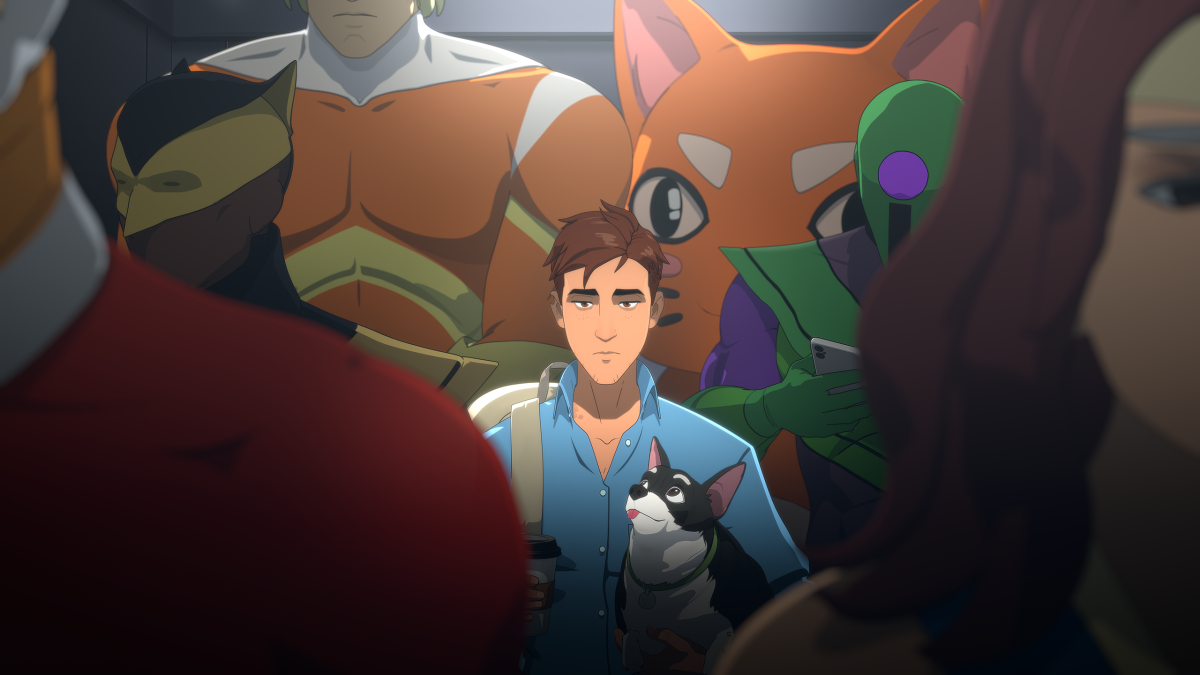
Dispatch looks phenomenal—like a superhero animated movie brought to life. Characters are highly detailed and expressive, while environments burst with comic-book flair. AdHoc Studios clearly learned from Telltale’s visual limitations, pushing this style to new heights with smooth animation and cinematic lighting. Every frame looks like it could be pulled straight from a storyboard. If someone told me this was a triple-A release, I’d believe it without hesitation. Dispatch proves that stylized visuals, when handled with passion and precision, can rival realism any day.
Sound
The audio design in Dispatch is nothing short of exceptional. The soundtrack is cinematic and heroic, matching every emotional beat perfectly. But the real star is the voice cast. Aaron Paul (Breaking Bad) gives a stellar performance as Robert Robertson, balancing vulnerability and determination. Laura Bailey shines as Invisigal, Alanah Pearce brings life to Malevola, Sean McLoughlin (Jacksepticeye) embodies Punch Up with humor, and Charles White Jr. (MoistCr1TiKaL) adds deadpan charm as Sonar. Every line feels deliberate, heartfelt, and cinematic. The performances elevate Dispatch beyond a typical episodic game—it feels like an animated series come to life.
Story

At first glance, Dispatch seems like another superhero story—but it’s far more nuanced. Robert isn’t a muscle-bound powerhouse; he’s short, unassuming, and deeply human. His struggle to find purpose without his iconic Mecha Man suit grounds the narrative. The line between hero and villain blurs beautifully as Dispatch explores redemption, trauma, and what truly defines heroism. Some characters seek forgiveness, others validation, and all are layered with believable motivations.
Episodes 1 and 2 deliver an emotional rollercoaster—moments of humor, heartbreak, and reflection. Scenes like Robert’s grief over his father’s death or his uneasy camaraderie with former foes hit hard. Even side characters have arcs that tug at your empathy. The storytelling feels personal, heartfelt, and often relatable despite its super-powered setting. If this momentum continues, Dispatch could easily stand among the best narrative-driven games in recent memory.
Overall Impression
It’s rare for a game to completely absorb me the way Dispatch did. I played both episodes back-to-back—roughly two hours total—and was shocked at how quickly time disappeared. AdHoc Studios has crafted something special: a superhero story that values empathy and character growth as much as action. The first two episodes set an incredibly high bar, filled with engaging gameplay, emotional storytelling, and visual excellence. I avoided spoilers here, but trust me—there are moments that will leave your jaw on the floor. Dispatch isn’t just good; it’s a triumph of the episodic format returning stronger than ever.
Pros:
- Stunning animation with a cinematic comic-book art style
- Incredible voice acting from top-tier actors and YouTubers
- Engaging decision-making gameplay with lasting consequences
- Authentic camaraderie among characters enhances immersion
Cons:
- The hacking mini-game feels overly simple and repetitive
Overall Score
10
Conclusion

I debated whether to review Dispatch as one complete season or break it down episodically. I’ve decided to review these two episodes as a preview review and will have a full review of Dispatch when all episodes release. If future installments don’t quite reach the perfection of Episodes 1 and 2, so be it—but I have no doubt this series will remain outstanding. Dispatch is an absolute must-play on PS5 or PC and one of the most impressive narrative-driven games I’ve played all year. AdHoc Studios has revived the spirit of Telltale and evolved it into something truly heroic.
—Aaron