City Hunter Review

“Age doesn’t slow down Ryo Saeba”
Introduction
Anime is my life. Aside from gaming, I’ve probably invested more of my free time into all things otaku than anything else. While I love modern greats like Frieren, Jujutsu Kaisen, Attack on Titan, Solo Leveling, and Fate/strange Fake—let me know what you’re watching this Winter 2026 season—I grew up on old-school classics like Speed Racer and Voltron. As I got older, I dove into more mature series, and that’s where City Hunter entered my life.
Following the exploits of “Sweeper” (private detective) Ryo Saeba, City Hunter blended action, comedy, and that very specific brand of raunchy ’80s anime charm. Despite the anime’s popularity, its 1990 PC Engine game never landed in America. For 35 years, it remained locked away on a niche console. Until now.
Thanks to Red Art Games and Clouded Leopard Entertainment, SUNSOFT’s City Hunter has been revived in a modernized form for PS5. The question is simple: does this 35-year-old hidden gem still shine today?
Gameplay

In City Hunter, you step into the stylish shoes of Ryo Saeba. Once again, he’s up against a criminal organization threatening innocent lives. It’s classic ’80s storytelling—simple, direct, and to the point.
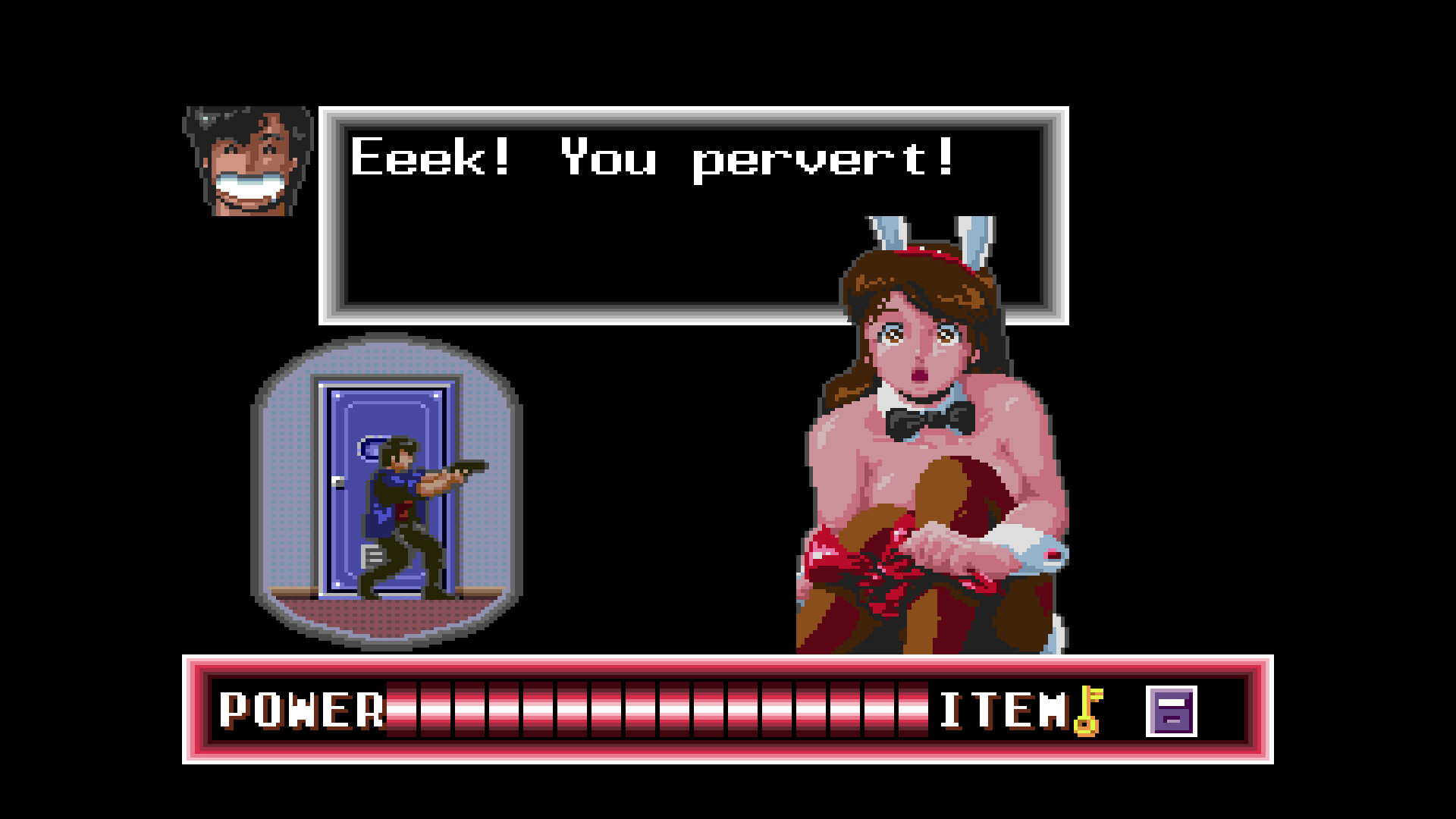
Gameplay is equally straightforward. This is a 2D action platformer through and through. You run left and right, climb stairs, shoot enemies, grab key items, and move to the next area. You can fire in either direction or while crouched. That’s about it.
And honestly? That simplicity is part of the charm. But it’s also a reminder of the game’s age.
The enhanced PS5 version does introduce welcome additions. You can save and load anywhere, rewind mistakes, and use modern quality-of-life features similar to emulator systems. These additions make the experience far more accessible and help soften some of the game’s rougher edges.
That said, repetition sets in quickly. Enemy variety is limited—thugs, ninjas, the occasional oddball—and environments rely heavily on palette swaps. You’ll feel the 1990 design philosophy almost immediately.
Graphics

Let’s be honest: City Hunter looks like a 1990 game. You can dress it up with phrases like “retro aesthetic” or “golden era charm,” but the visuals remain unmistakably old-school.
The enhanced version improves character models slightly, updates menus, and cleans up certain assets, but the core presentation remains intact. Rooms often reuse layouts with minor color variations, and character designs repeat frequently.
There is charm here—especially for fans of classic 8- and 16-bit titles—but modern players should temper expectations. This is preservation, not reinvention.
Sound
Chiptune fans will feel right at home. The soundtrack is simple but genuinely enjoyable. I appreciated the ability to listen to tracks outside of gameplay, and several tunes capture that energetic, arcade-era vibe perfectly.
There’s no voice acting, of course—you won’t hear Saeba’s iconic swagger—but the music carries the experience. It’s basic, but it works.
Story

Like many episodes of the anime or chapters of the manga, the story in City Hunter exists primarily to showcase Ryo Saeba being Ryo Saeba. A criminal organization causes chaos, Kaori Makimura backs him up, and Saeba balances heroics with his signature womanizing antics.
There’s no deep narrative twist or philosophical subtext. It’s cool guy versus bad guys, wrapped in classic ’80s anime flair. It works because it knows exactly what it wants to be.
Overall Impression
City Hunter isn’t going to dominate headlines, especially launching around heavy hitters like Resident Evil: Requiem. But for fans of the series, this is a long-awaited release.
I genuinely enjoyed my time with it—but in short bursts. Could I marathon this for hours? Probably not. The repetition and dated mechanics limit its staying power. However, as a nostalgic throwback and a piece of anime gaming history finally accessible in the West, it holds real value.
Fun for fans? Absolutely. Timeless masterpiece? Not quite.
Pros
- Classic retro 2D action-platforming
- Strong old-school chiptune soundtrack
- Excellent rewind and save-anywhere system
- Finally accessible for Western fans
Cons
- Visually dated in nearly every aspect
- Short experience relative to price
- Repetitive level design and enemy variety
Overall Score
7.0
Conclusion

If City Hunter had released in North America in 1990, it likely would’ve been considered one of the stronger licensed titles of its era. The fast-paced action, humor, and energetic soundtrack would have stood out.
However, time matters. Even with modern touch-ups, this remains a 35-year-old game at its core. For fans of the anime and manga, it’s a nostalgic treat finally made accessible. For modern gamers expecting innovation, it may feel limited.
As a fan, I love finally having this piece of history in my library. As a reviewer, I recognize its flaws. Still, for those craving a simpler, retro experience, City Hunter delivers exactly what it promises.
—Aaron