Video Game Review: Blades of Fire

“Bent blades still can work”
Introduction
I love a TV competition show called Forged in Fire. In case you’ve never seen it, the premise involves bladesmiths competing to forge weapons from raw materials and put them through intense tests. The last blade standing proves its worth by demonstrating it could be used in battle. That’s why when I read about Blades of Fire—a game where you literally craft your own weapon and put it to the test—I was instantly intrigued.
What really surprised me was that Mercury Steam was behind this title—the same studio that made one of my favorite PS3 games, Castlevania: Lords of Shadow. After playing Blades of Fire, I can say this: like some of the swords in Forged in Fire, they can KEAL… but they’ll still end up pretty bent. Here’s my full review of Blades of Fire for the PS5. Thanks to Mercury Steam and 505 Games for providing this review copy!
Gameplay

At first glance, Blades of Fire seems like your standard action-adventure game. You play as Aran De Lira, who saves a young man named ADSO from an ambush. ADSO and his master were actually searching for Aran, though the master doesn’t survive the attack. It’s soon after this that Aran unlocks access to the spectral realm known as The Forge, where he gains the ability to craft powerful weapons—his key to survival and combat.
Combat is where Blades of Fire sets itself apart. You can’t just button-mash your way to victory—trying to do so leads to a swift death. Dying causes you to drop your equipped weapon, which turns to stone until you recover it. The game encourages finesse with its blend of stances, dodges, and weapon types. Enemies require different tactics depending on their armor and behavior. Lightweight enemies can be taken down with spears or fast blades, while heavy, armored foes require big weapons and power stances.
The Forge lets you craft weapons using materials you scavenge or loot from enemies. Unlike many games, there are no merchants to hand you awesome gear. You must earn it, build it, and name it yourself. The crafting system includes a mini-game where Aran forges and hammers out each blade. It’s a fun feature that adds personality and creativity. Once you get the hang of it, it’s satisfying to create weapons with optimal stats and personalized names.
Unfortunately, the novelty starts to wear off. After a few hours, Blades of Fire stops evolving. While the variety in enemy types and weapons is decent, the gameplay loop becomes routine. The story—centered on defeating the evil Queen—lacks depth, and I found myself enjoying exploration more than chasing the main quest. That might work in some games, but here it leads to déjà vu faster than it should.
Graphics

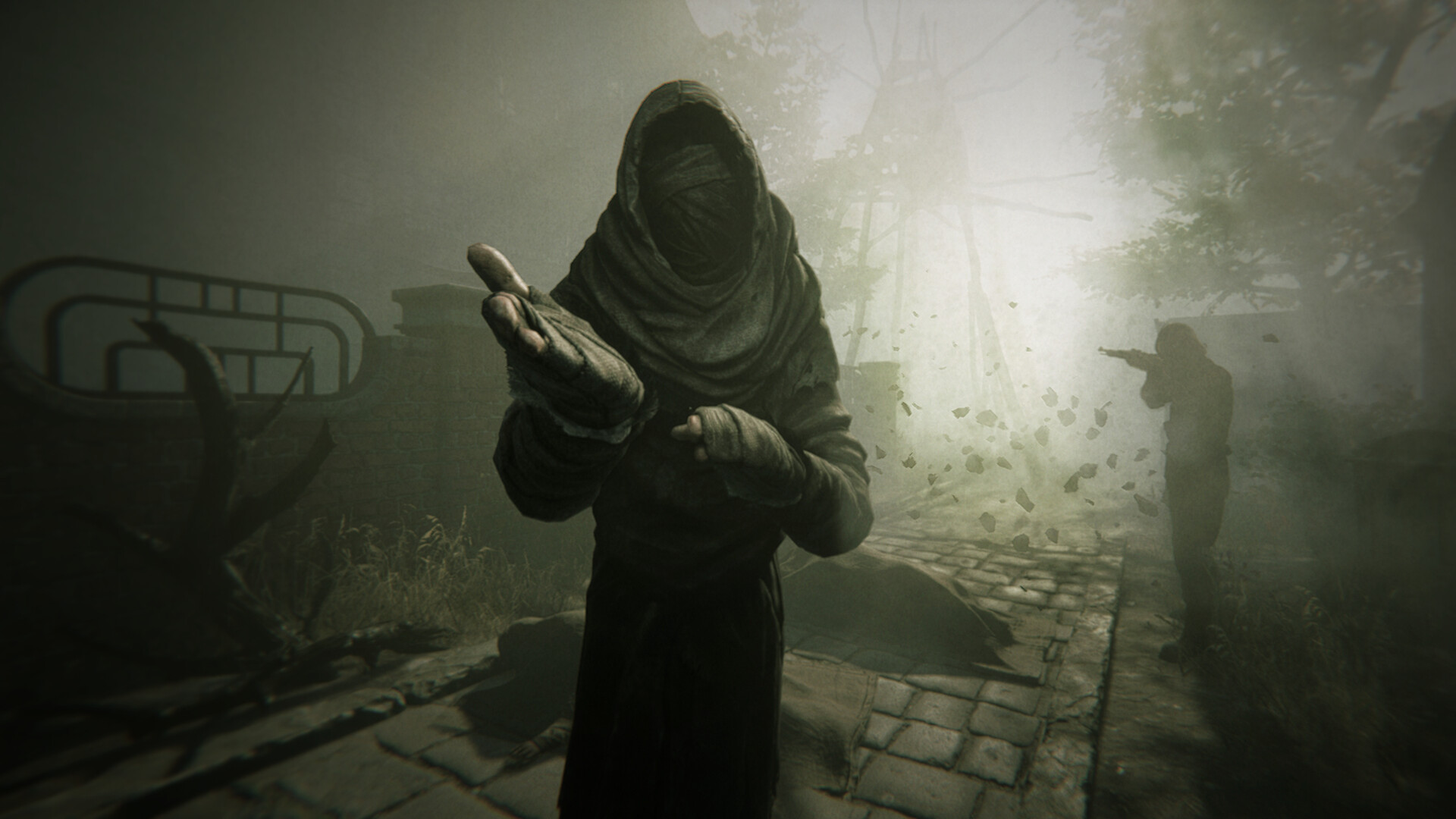
Blades of Fire is visually inconsistent. At times, the environments and character designs look stunning—definitely worthy of a PS5 release. But other times, it feels like a late-gen PS4 game. Thankfully, the weaker areas are few, and the game generally looks good overall. It’s not going to blow your mind visually, but it holds its own in 2025.
Sound
Sound design in Blades of Fire is another area where the game is just… okay. The soundtrack is decent but forgettable. Voice acting is solid, but nothing that stands out. However, I must give praise to one very specific sound: the clang of Aran hitting the anvil. That one audio detail is crisp and impactful—it gave me chills every time. Props to the sound team for nailing that moment.
Story

The story in Blades of Fire is just fine. Aran’s past, the Queen’s curse that turns steel to stone, and the lore scattered through conversations and documents all feel familiar. Nothing in the narrative truly stands out or hooks you emotionally. The Forge and its backstory are interesting in concept, but they follow the typical RPG formula. Like the gameplay and visuals, the story is passable—but far from extraordinary.
Overall Impression
Blades of Fire is a game that fits the scabbard, but not perfectly. It’s solid in design but doesn’t push any boundaries. In 2025, with so many polished and innovative action RPGs available, this one feels underwhelming by comparison. If it had released during the early or mid-PS4 era, it might’ve been a standout. But now, it’s more likely to be forgotten within a year or two—despite its fun mechanics and decent execution.
Pros
- Combat mechanics are thoughtful and keep encounters engaging
- Forging system adds depth and creative freedom
- Enemy variety and weapon types offer good customization
Cons
- Gameplay loop becomes repetitive too quickly
- Story is dull and lacks emotional investment
- Audio and voice work are average aside from standout forging sounds
Overall Score
6.5
Conclusion

Blades of Fire released in the wrong year, plain and simple. If this had come out before genre-defining titles like Elden Ring or Ghost of Tsushima, it might have gotten more attention. Everything in Blades of Fire is just okay—nothing is broken, but nothing stands out either. That’s its biggest flaw.
Still, if you’ve ever wanted to feel like a wandering blacksmith who beats down enemies with handcrafted steel, Blades of Fire is a decent pickup. Just temper your expectations and enjoy the sparks while they last.
ーAaron