Frankenstein Review
“What is a monster”
Introduction
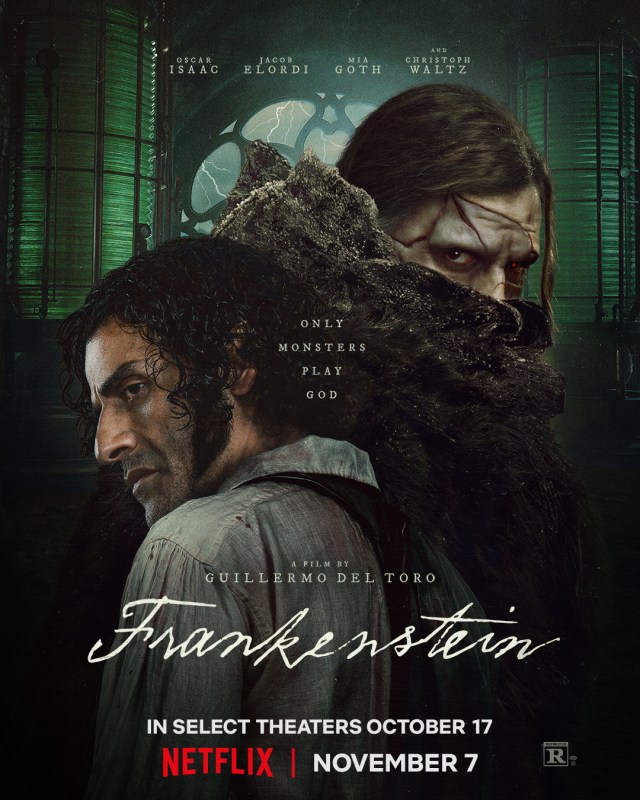
Mary Shelley is a legendary writer whose famous work needs little introduction. Frankenstein was written in 1816, and even now it’s still relevant—spawning numerous movie adaptations. Our focus today, though, is director Guillermo del Toro’s version of this famous tale. Frankenstein released in October 2025 to a limited theatrical release, so many didn’t get to see it, but luckily Netflix did a global release a month later, giving a wider audience the chance to see how this reimagining plays out. Is Frankenstein a modern take on the famous man versus monster tale, or are we seeing what happens when a story is done to literal death? You know what time it is, readers—it’s time for our review of Frankenstein!
Story
Guillermo del Toro’s Frankenstein follows two characters—Baron Victor Frankenstein and his “monster” creation. The tale begins with the Royal Danish Navy trapped in ice during their travels. As they try to free themselves, the sailors spot a man injured by an unknown threat. After being rescued, a strange man-like being attacks the sailors. While they fend him off for a while, the captain learns from their recently saved man that his name is Victor—and he has a tale he needs to share.
After the death of his mother, Victor—trained as a surgeon by his cold father—vows to become the master of death and gain control over it. As he ages, Victor begins to experiment with reanimating the dead using technology and the power of energy. Despite being laughed at by his peers and dubbed a fraud, Victor gains a benefactor who understands the thin line between life and death and decides to fund his project. During this time, Victor meets his brother’s fiancé, Elizabeth, and the two share a strange romance and friendship. But Victor’s obsession with conquering death consumes him. Eventually, Victor succeeds, using a body made of numerous corpses and the power of lightning to create life from death. Sadly, Victor believes his creation is a failure when it only utters one word—his name—and behaves like a child. Despite Elizabeth trying to convince him that he’s created life, Victor decides to destroy his creation and all evidence of his work, including his benefactor.
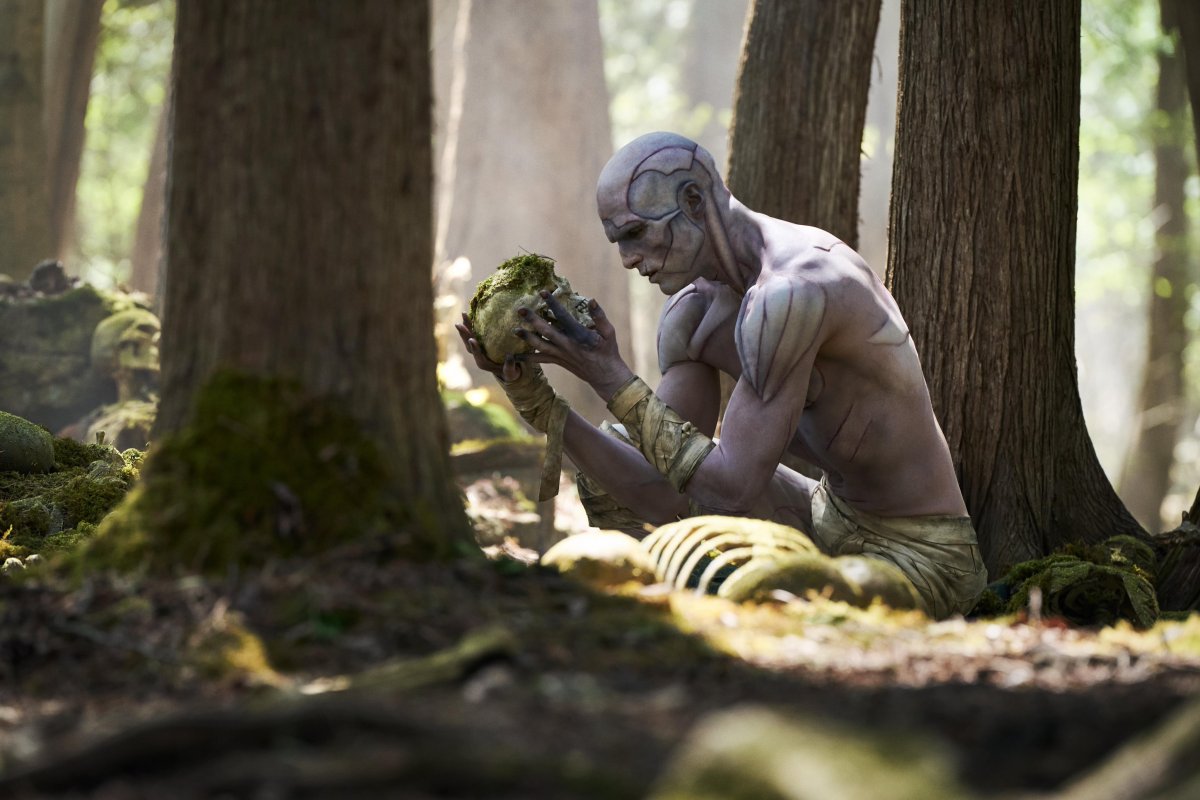
Back on the ship, as Victor tells the captain his story, the creature reappears and reveals his intelligence—wanting to tell his side. We learn the creature escaped the attempt on his life and took refuge in a stranger’s home, though most people who saw him reacted in fear. Learning to read and speak from a blind old man, the “monster” begins to understand humanity—only to lose his teacher when wolves attack. The monster is blamed and forced to flee again. Returning to his creator, he begs Victor to make him a companion after learning he cannot die and will be alone forever. Victor denies his request, and during their confrontation, Elizabeth and William are killed. The story comes full circle, ending with Victor apologizing to his creation for being the true monster as he dies from his wounds.
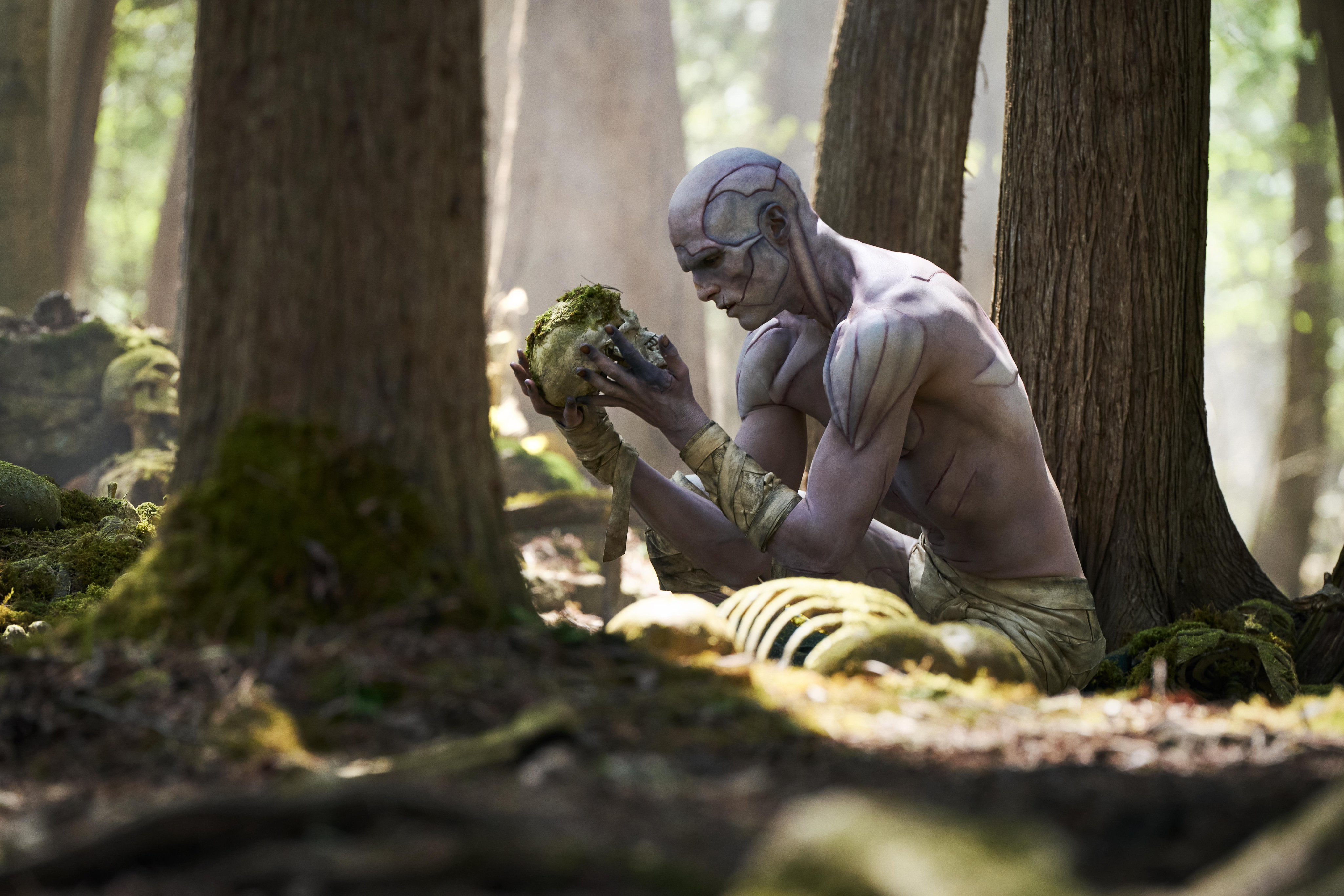
Frankenstein has been retold countless times, always asking the question of what truly defines a monster. Guillermo del Toro’s take is less straightforward at first but ultimately follows much of the same structure as previous versions. That isn’t a bad thing—it’s just not as fresh as some might hope. I appreciated the darker tone and dual narrative, but the story can be a bit too on the nose. Even if you’ve never read the book or seen past adaptations, this version rarely surprises. I liked the attempt to humanize Victor—usually seen as an unreliable narrator—but again, it’s not entirely new. Still, Frankenstein delivers a solid and modern retelling of a timeless tale.
Acting and Cast
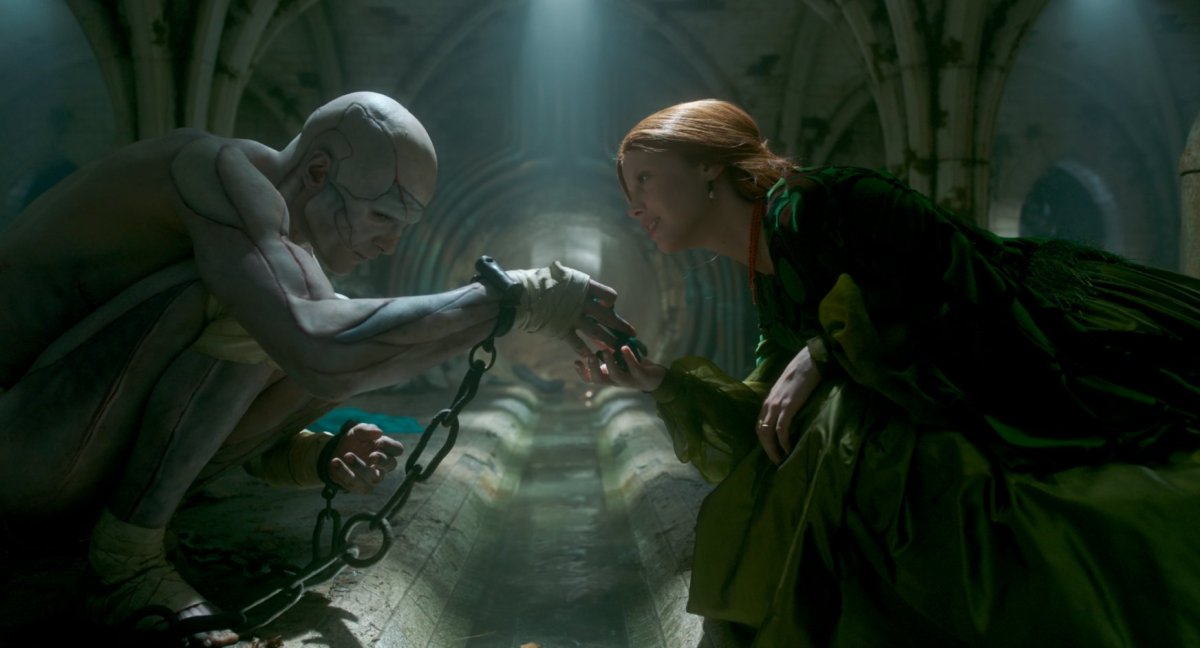
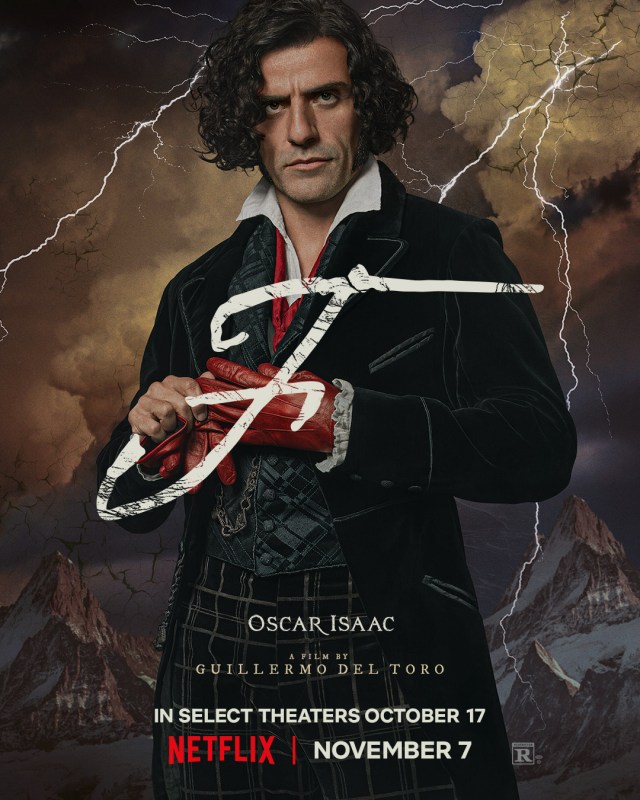
What helps sell this new take on Frankenstein is the incredible cast and their performances. Oscar Isaac (Moon Knight, Dune) plays Victor, while Jacob Elordi (Euphoria) portrays the creature. These two are the film’s central pillars, and their chemistry and emotional depth show that del Toro knows how to cast perfectly. Mia Goth (A Cure for Wellness, High Life) plays Elizabeth and does a wonderful job, even if her role takes less focus than the main two. Frankenstein always lives and dies by its acting, and this version is a prime example of how strong performances can elevate a story retold countless times.
Cinematography and Direction
I’ve seen many of Guillermo del Toro’s works and rarely find much to complain about. He knows how to capture emotion and atmosphere—whether it’s horror or dark fantasy—and that remains true here. The cinematography in Frankenstein is often beautiful, though at times uneven. The film leans heavily on CGI, and while some moments—like the opening naval battle—look stunning, others feel cheap. I almost wonder if the budget tightened toward the end, forcing less refined effects. Guillermo del Toro still directs masterfully, but the story falters slightly near the end, simplifying some of its emotional beats.
Pros
- Different interpretations of Victor and the creature deliver a more modern take on the story
- Strong opening sequence that captures viewers immediately
- Outstanding performances from the main cast
Cons
- Weak CGI that looks inconsistent in several scenes
- Some awkward and goofy moments near the end
- A familiar story retold without much new to offer
Overall Score
7.5
Conclusion
Frankenstein once again proves that Guillermo del Toro can take almost any story—new or old—and recreate it in a way that feels uniquely his. While this modern version isn’t perfect, it’s still an engaging adaptation supported by an excellent cast. I’d love to see del Toro tackle more classic literature and put his imaginative spin on other timeless tales. For now, Frankenstein stands as an easy recommendation—even if you’ve seen countless versions of this iconic story before.
—Aaron


