Pathologic 3 Review
“Madness, Death, Medicine and the study of it all”
Introduction
The Pathologic series is something I heard about back when the first game released in 2005—yes, 21 years ago—and I never got into it because I wasn’t much of a PC player at the time. Still, I watched some Let’s Plays years later and had to admit it looked like a strong psychological horror-RPG. Years later, Pathologic 2 released—again by developer Ice-Pick Lodge—and received decent reviews, leading to yet another entry, Pathologic 3.
Today, we here at SunsetNerdVerse dive headlong into the shoes of an old acquaintance—one of the main characters from the first game—as he once more enters a world of madness, medicine, death, and the like. Time to see if this third entry in the franchise is worth playing in our review of Pathologic 3 for the PC. Big thanks to developer Ice-Pick Lodge and publisher HypeTrain Digital for the review copy.
Gameplay

Following the core concepts of the first two games, Pathologic 3 retains much of its main gameplay structure. Once more, we step into the shoes of the former Bachelor, Daniel Dankovsky, who pursues a matter of urgent medical importance. A man named Simon resides in a village and claims to be immortal. It doesn’t take long, however, to realize the town is drowning in death as a deadly contagion spreads rapidly. Now Daniel must use his medical expertise to stop the plague and prevent loss of life—or madness.
Daniel is not a fighter or a superhero. He is a doctor, and the gameplay reinforces that constantly. When you aren’t conversing with NPCs to learn about the town, the contagion, and what may or may not be real, you explore strange landscapes that blur reality and fiction. You diagnose patients. You analyze symptoms. You search for treatments. Pathologic 3 is a strange horror-RPG, and this is where it truly sold me.
Dialogue drives the core experience. Prepare to read—a lot. Daniel speaks to countless “people,” and conversations function almost like a choose-your-own-adventure book. Dialogue options frequently exceed three choices, and each decision alters relationships and story outcomes. Speak harshly to a child, and they react accordingly. Insult someone, and they may refuse to help later. Offer consistency or kindness, and that NPC might support you when it matters most. I constantly second-guessed my choices because every response carries weight. They also affect Daniel’s internal balance between mania and apathy.
The mania-apathy system adds constant pressure. If Daniel leans too far into mania, he moves faster but loses the ability to properly interact with NPCs and eventually dies. If he drifts into apathy, time slows and thought deepens—but death still follows. You must maintain balance. Items can reduce or increase these states, and world interactions influence them as well. The system is simple in design but incredibly effective in practice.
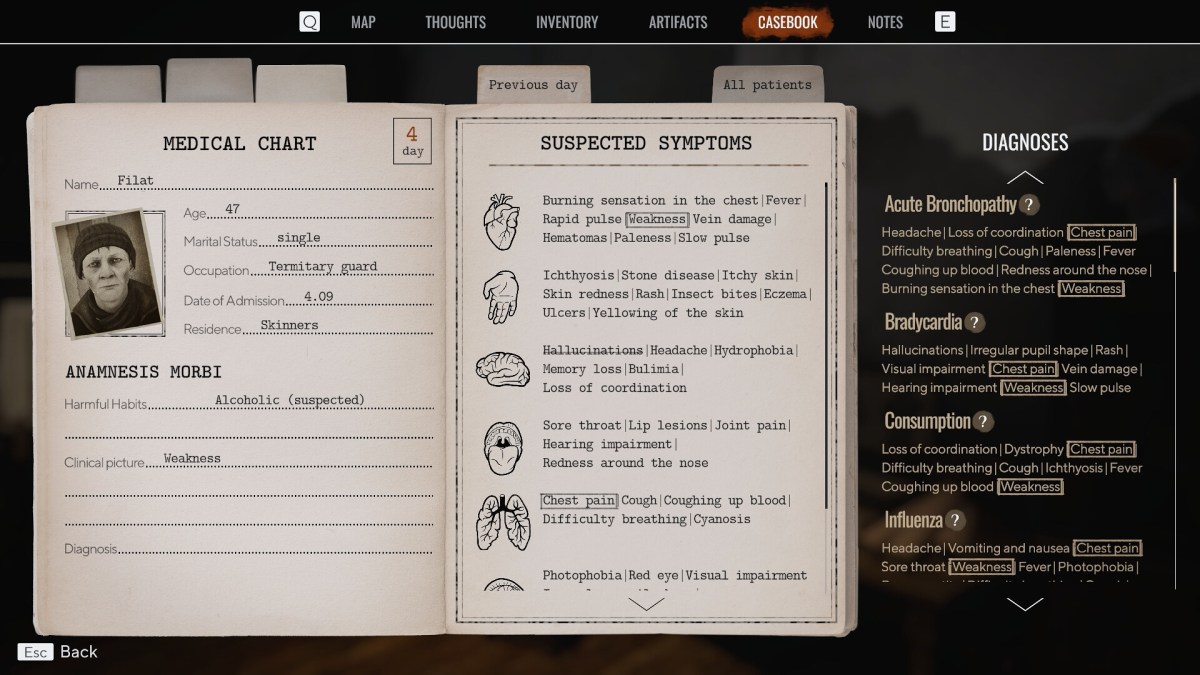
When you’re not navigating dialogue, you engage in medical investigations—one of the game’s strongest systems. Daniel examines patients, analyzes symptoms, and interprets clues. NPCs lie or withhold information, just like real people. In one early case, a patient insists they’re fine, but examination reveals drug use. Pathologic 3 rewards careful observation. Guessing blindly rarely works.
Daniel has only 12 days to save the town and uncover its secrets. While a ticking clock exists, time progression isn’t linear. Conversations may shift narrative focus backward or forward between days. Choices can reshape how days unfold. If you make mistakes, you can rewind time and try again. The system encourages experimentation and rewards multiple attempts.
My only gameplay gripe involves clarity. While the systems aren’t overly complex, the game sometimes presents solutions as obvious when they aren’t. I appreciate titles that don’t hold your hand, but Pathologic 3 occasionally leans too far into ambiguity.
Graphics
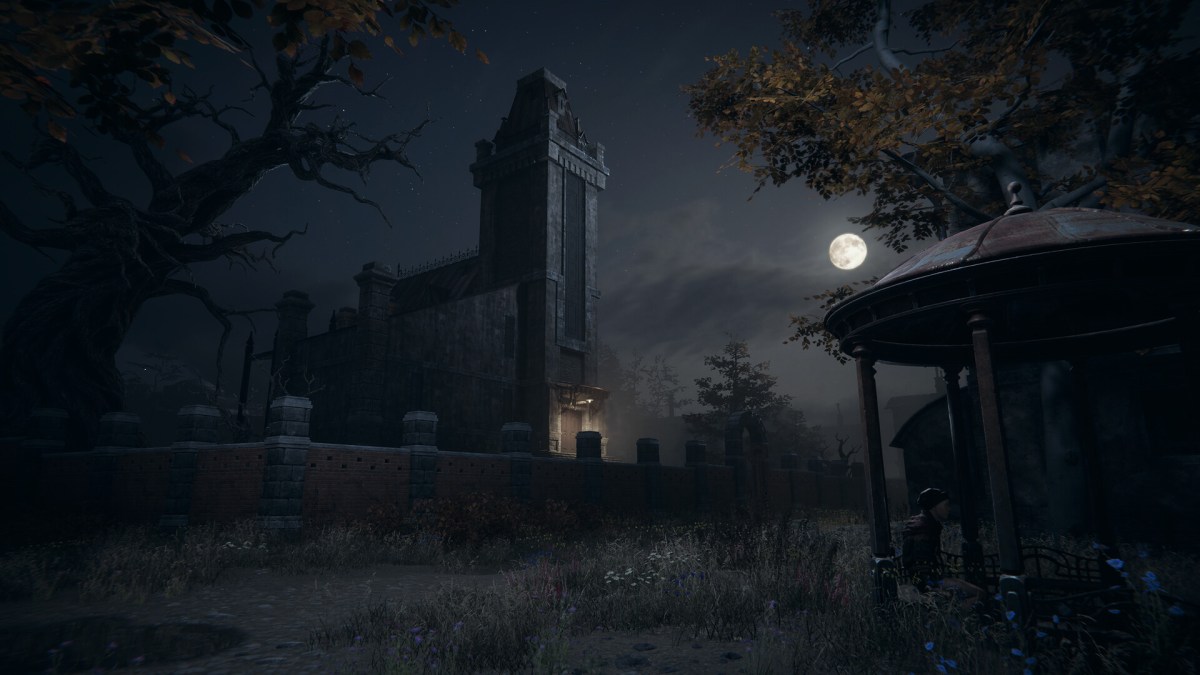
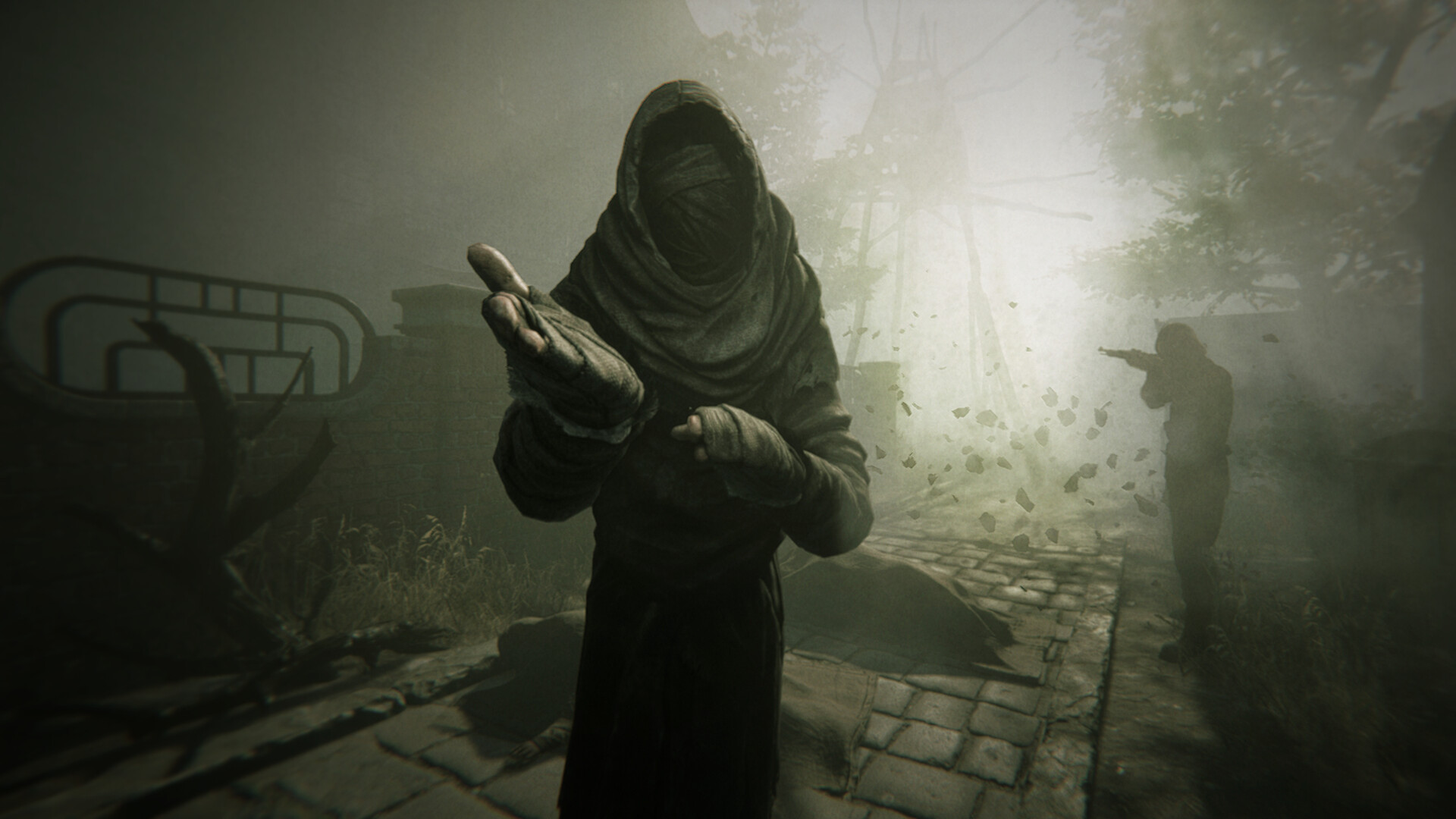
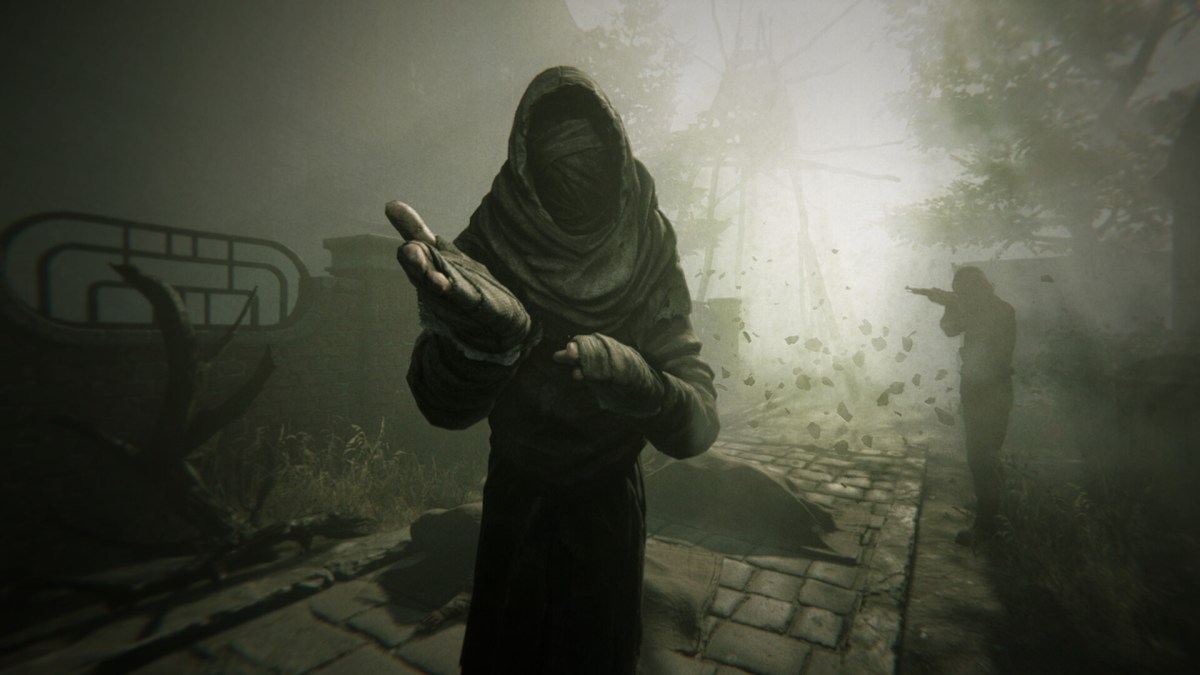
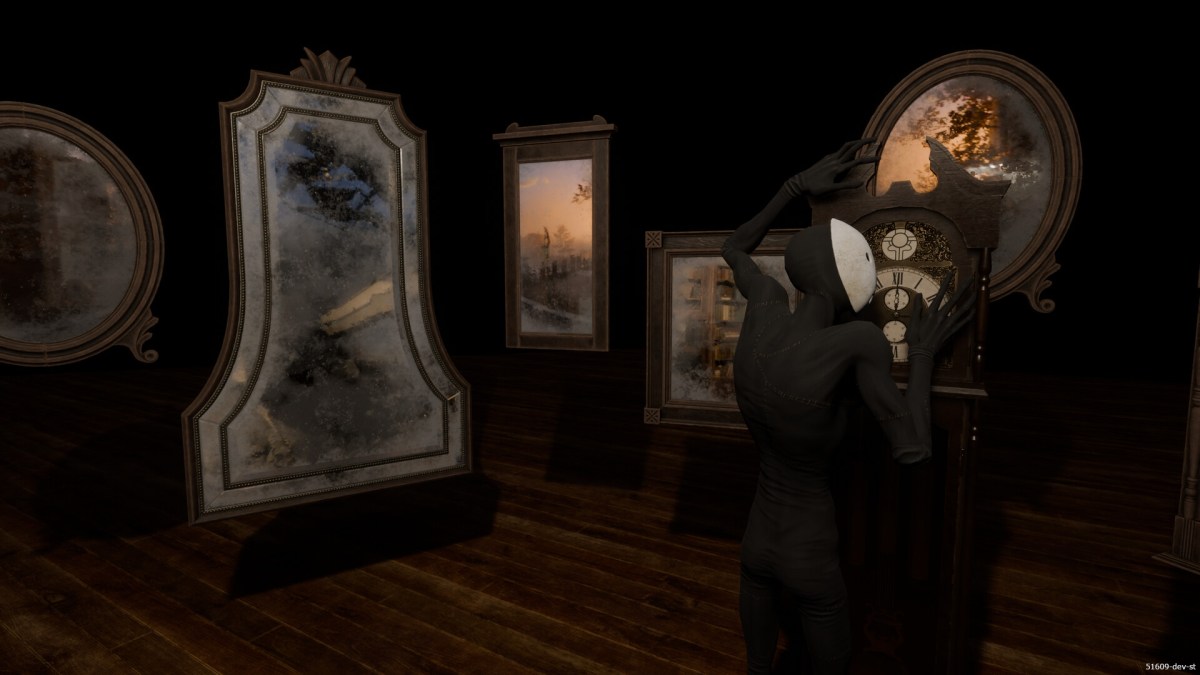
Unlike its gameplay, Pathologic 3’s visuals are inconsistent. The game doesn’t look bad, but for a 2026 release, it feels subpar in places. Some environments—especially during NPC interactions—look detailed and atmospheric. Nightmare creatures and surreal sequences appear genuinely unsettling thanks to strong design.
However, certain cutscenes and locations look outdated or flat. Hospitals sometimes appear richly textured, while other areas feel static. Cutscenes fluctuate between impressive and mediocre. The inconsistency is noticeable, though it rarely ruins immersion entirely.
PS5 Version Visuals
I purchased Pathologic 3 on PS5 to support the developers and compare performance. The visuals are largely identical to the PC version. The game ran smoother on my PS5 than on my older PC setup, but visual fidelity remained similar. Some cutscenes actually appeared weaker on console. Players choosing between platforms should know both versions look comparable.
Sound
Pathologic 3 excels in sound design. The OST blends haunting tones with unearthly ambiance. Walking through abandoned halls or laboratories filled with cadavers feels genuinely disturbing. Outdoor areas carry eerie musical undertones that heighten tension. Few horror games match this level of atmospheric consistency.
Voice acting is more uneven. Daniel’s narration and inner monologues are strong and immersive. NPC performances range from solid to surprisingly weak. Some lines feel underperformed, though voice work is sparse overall. It doesn’t significantly detract from the experience, but stronger consistency would have elevated immersion.
Story
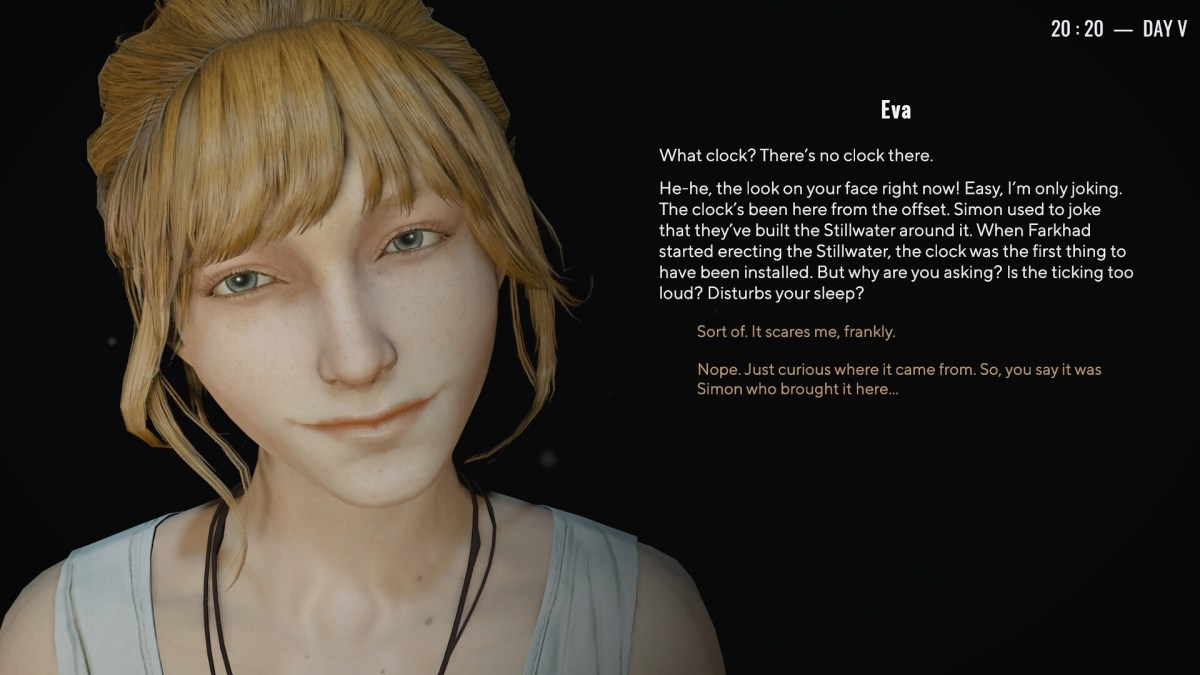
Although I haven’t personally played the previous entries—only watched Let’s Plays—Pathologic 3 stands on its own narratively. There are references to Daniel’s earlier experience in the original game, but newcomers can follow the story without prior knowledge.
The story delivers depth and psychological intrigue. Daniel’s world fascinates at every turn. I never lost interest in his perspective, and even minor NPCs feel purposeful. Each character contributes meaningfully to the greater narrative. Few RPGs manage that level of cohesion.
Overall Impression
I always appreciate games that challenge genre expectations. Pathologic 3 is a text-heavy survival horror experience that refuses to mimic Resident Evil or Silent Hill. It forges its own identity. It forces you to question choices, morality, and priorities—saving lives versus stopping a disease.
I genuinely loved my time with Pathologic 3. The gameplay may intimidate some players, but those willing to embrace its systems will discover a survival horror experience unlike anything else.
Pros
- Dark story with branching choices that make every playthrough feel different
- Large world filled with meaningful NPC interactions and environmental details
- Decisions genuinely impact narrative direction
- Rich, text-heavy storytelling for players who love reading
Cons
- Can feel confusing for players who prefer more direct guidance
- Very text-heavy—players who dislike reading may struggle
- Visual presentation is inconsistent and occasionally dated
Overall Score
8.5
Conclusion
Pathologic 3 lingers in your thoughts long after you stop playing. Did I make the right decision? Could I have saved more lives? What would another path have revealed? Games that provoke those questions are rare.
While it won’t appeal to everyone, and it isn’t flawless, the overall experience is powerful. Disturbing, atmospheric, and intellectually engaging, Pathologic 3 is a survival horror worth your time—especially if you enjoy reading-heavy RPGs.
—Aaron